Explore Burger King’s Nutritious Menu Choices
Welcome to the world of healthier fast food options! Burger King, a renowned fast-food chain, has been serving a variety of nutritious meals that cater to different dietary needs.
Understanding the nutritional content of menu items is crucial for making informed choices. Burger King is committed to providing nutritious options that are not only delicious but also align with various health goals.
By exploring Burger King’s nutritious menu choices, you can enjoy your favorite meals while maintaining a balanced diet.
Key Takeaways
- Discover Burger King’s commitment to nutrition
- Learn about the importance of understanding nutritional content
- Explore the variety of nutritious meal options available
- Make informed choices that align with your health goals
- Enjoy delicious meals while maintaining a balanced diet
Understanding Burger King’s Commitment to Nutrition
Burger King has been making significant strides in enhancing its menu to cater to the health-conscious consumer. As the fast-food industry evolves, Burger King is at the forefront of providing nutritious options without compromising on taste.
Recent Nutritional Improvements at Burger King
Burger King has introduced several healthier options to its menu, including grilled chicken sandwiches and salads. These additions are designed to appeal to customers looking for lower-calorie alternatives.
Transparency in Nutritional Information
The company has also made a concerted effort to provide clear nutritional information, making it easier for customers to make informed decisions. This transparency is reflected in the detailed nutritional breakdown available on their website and in-restaurant.
Burger King’s Health-Conscious Initiatives
Burger King has launched various initiatives aimed at promoting healthier eating habits. For instance, they have reduced sodium in their menu items and introduced lower-calorie condiments.
| Nutritional Aspect | Improvement |
|---|---|
| Sodium Reduction | Lowered sodium content in menu items |
| Lower-Calorie Options | Introduction of grilled chicken and salads |
| Transparent Nutrition Info | Detailed nutritional breakdown available online and in-store |
The Complete Burger King Nutrition Menu Breakdown
Understanding the nutritional content of Burger King’s menu items is vital for customers with dietary restrictions or preferences. Burger King provides detailed nutritional information to help customers make informed choices.
Calories, Protein, Fat, and Carbohydrates
Burger King’s menu items vary significantly in their nutritional content. For instance, their signature Whopper sandwich contains approximately 640 calories, with 28g of protein, 39g of fat, and 43g of carbohydrates. In contrast, their grilled chicken sandwich has around 380 calories, with 30g of protein, 3.5g of fat, and 36g of carbohydrates.
Nutritional Comparison: Here’s a quick glance at the nutritional values of some popular Burger King items:
| Menu Item | Calories | Protein (g) | Fat (g) | Carbohydrates (g) |
|---|---|---|---|---|
| Whopper | 640 | 28 | 39 | 43 |
| Grilled Chicken Sandwich | 380 | 30 | 3.5 | 36 |
| Impossible Whopper | 630 | 25 | 34 | 48 |
Sodium and Sugar Content
It’s also important to consider the sodium and sugar content in Burger King’s menu items. Many of their burgers and sandwiches contain high levels of sodium, with some exceeding 1000mg per serving. Additionally, certain menu items, like milkshakes and desserts, are high in sugar.
Allergen Information
Burger King provides allergen information to help customers with specific allergies. Common allergens include gluten, soy, milk, eggs, fish, shellfish, tree nuts, and peanuts. It’s crucial for customers with severe allergies to check this information before ordering.
How to Access and Interpret Nutritional Information
Burger King provides various resources to help customers access and interpret nutritional information about their menu items. This information is crucial for making informed decisions about your meal choices.
In-Restaurant Nutrition Resources
When dining in, Burger King restaurants provide nutrition information brochures or posters that detail the nutritional content of their menu items. These resources are designed to help you make healthier choices while you’re ordering.
Digital Tools for Nutrition Planning
For those planning ahead, Burger King’s official website and mobile app offer comprehensive nutritional information. You can view detailed nutritional data for each menu item, including calories, fat, sodium, and more.
“Transparency in nutrition is key to helping our customers make informed choices. We’re committed to providing clear and accessible nutritional information.” – Burger King Nutrition Expert
Understanding Serving Sizes
It’s essential to understand serving sizes when interpreting nutritional information. A serving size is a standardized unit of measurement used to quantify the nutritional content of a food item.
| Menu Item | Serving Size | Calories |
|---|---|---|
| Whopper Sandwich | 1 sandwich | 640 |
| Fries (Medium) | 1 serving (114g) | 340 |
| Coke (Medium) | 1 drink | 210 |
By understanding serving sizes and accessing nutritional information, you can make more informed choices that fit your dietary needs.
Breakfast Options Under 500 Calories
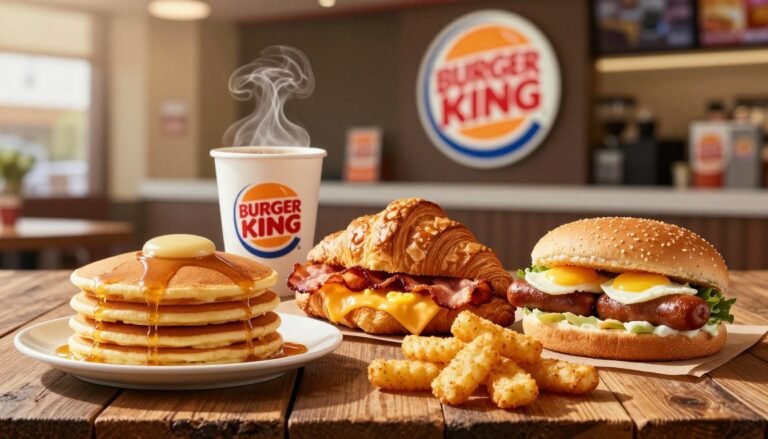
Starting your day with a nutritious breakfast is easier than ever at Burger King, with several options under 500 calories. Their menu caters to various dietary needs, ensuring that you can enjoy a satisfying meal without compromising on your health goals.
Protein-Packed Morning Choices
Burger King’s breakfast menu includes several protein-rich options. The Breakfast Sandwich with Bacon, Egg, and Cheese on a Croissan’wich is a popular choice, offering a good balance of protein and flavor. For those looking for a non-sandwich option, the Scrambled Egg Platter is a great alternative, providing a generous serving of eggs.
Lower-Carb Breakfast Alternatives
For diners watching their carb intake, Burger King offers alternatives such as the Grilled Breakfast Sandwich without the bun. This option significantly reduces the carbohydrate content while maintaining the protein and flavor. Another option is to opt for a breakfast bowl without the toast or hash browns.
Healthiest Breakfast Sandwiches
Among the healthiest breakfast sandwiches at Burger King is the Croissan’wich with Egg and Cheese. It’s a simpler option that skips the meat but still delivers on taste and protein content. For those who prefer a bit of meat, the Bacon, Egg, and Cheese Croissan’wich in moderation can be a balanced choice.
By choosing wisely from Burger King’s breakfast menu, you can enjoy a meal that’s both satisfying and under 500 calories. Whether you’re in the mood for something classic or looking for a lower-carb option, there’s something for everyone.
Healthiest Burger Choices at Burger King
Burger King’s burger menu is not just about indulgence; it also includes options that are better for you. When selecting a burger, understanding the nutritional content can make a significant difference in your dining experience.
Comparing Burger Patty Options
Burger King offers various burger patty options, including beef, chicken, and plant-based alternatives. The beef patties vary in size and toppings, affecting their nutritional value. For instance, opting for a smaller patty or fewer toppings can reduce calorie intake. The Impossible Whopper, a plant-based option, offers a different nutritional profile compared to traditional beef.
Customization Tips for Healthier Burgers
Customizing your burger can significantly impact its nutritional value. Consider the following tips:
- Choose a smaller patty size to reduce calorie intake.
- Opt for whole-grain buns when available.
- Load up on vegetables like lettuce, tomatoes, and onions.
- Limit or avoid high-calorie condiments and cheeses.
Plant-Based Impossible Whopper Analysis
The Impossible Whopper is a popular choice for those seeking a plant-based meal. It features an Impossible Foods patty instead of beef. While it’s a step towards a more plant-based diet, it’s still important to consider the overall nutritional content, including the bun and toppings.
Reducing Calorie Content Without Sacrificing Taste
To enjoy a flavorful burger while keeping calories in check, consider modifications like skipping the cheese or mayonnaise, or choosing a lighter sauce option. These small changes can make a significant difference in the nutritional value of your meal.
Nutritious Chicken and Fish Selections
Chicken and fish lovers can find satisfying options at Burger King, with varying nutritional profiles. When choosing between these protein-rich foods, it’s essential to consider the cooking method, nutritional content, and potential drawbacks.
Grilled vs. Fried Options Comparison
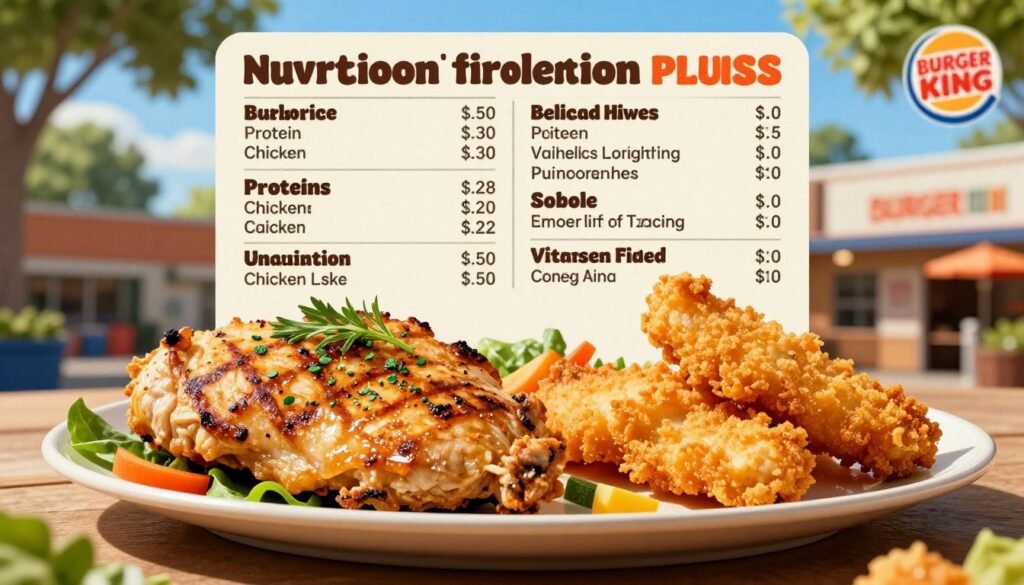
At Burger King, both grilled and fried chicken and fish options are available. Grilled options generally offer a lower calorie count compared to their fried counterparts. For instance, a grilled chicken sandwich typically has fewer calories and less fat than a crispy chicken sandwich.
- Grilled chicken: Lower in calories and fat
- Fried chicken: Higher in calories and fat, but often more flavorful
- Grilled fish: A good source of omega-3 fatty acids
- Fried fish: May contain higher levels of unhealthy fats
Protein Content and Quality
The protein content in Burger King’s chicken and fish items can vary significantly. Grilled chicken sandwiches and tenders are high in protein, making them a good choice for those looking to increase their protein intake. Fish options, particularly those with a larger fillet, also provide a substantial amount of protein.
Key protein sources:
- Grilled chicken breast
- Fish fillet (varies by preparation method)
Sodium Considerations in Seafood Items
While seafood can be a healthy choice, it’s crucial to be mindful of sodium levels, especially in processed or breaded fish products. Some fish sandwiches at Burger King may contain high sodium levels due to breading and sauces. Opting for grilled fish without additional sauces can help minimize sodium intake.
By being aware of these factors, customers can make more informed choices that align with their dietary needs and preferences.
Salads and Vegetable-Forward Options
Burger King’s salads offer a fresh alternative for health-conscious diners. With a variety of ingredients, these salads can be a nutritious and satisfying meal.
Complete Salad Nutritional Breakdown
The nutritional content of Burger King’s salads varies widely depending on the ingredients. For example, the Garden Salad has 80 calories without dressing, making it a very low-calorie option. However, adding proteins and dressings can significantly increase the calorie count.
Dressing Choices and Their Caloric Impact
Dressings can dramatically change the nutritional profile of a salad. For instance, a Caesar dressing can add up to 170 calories and 18g of fat per serving. Opting for lighter dressings like vinaigrette can help keep the calorie count lower.
Adding Protein to Salads Wisely
Adding protein to your salad can make it more filling. Grilled chicken is a popular choice, with about 140 calories and 26g of protein per 3 oz serving. As noted by a nutrition expert, “Adding lean protein sources like grilled chicken can enhance the nutritional value of a salad without significantly increasing the calorie count.”
By making informed choices about the ingredients and dressings, customers can enjoy a healthy and satisfying meal at Burger King.
Mindful Side Dish Alternatives
When dining at Burger King, making mindful choices about side dishes can significantly impact the nutritional value of your meal. While French fries are a classic choice, there are other options that can provide a more balanced nutritional profile.
Beyond French Fries: Healthier Sides
Burger King offers several side dishes that are healthier than French fries. Some of these options include:
- Side salad: A fresh mix of greens, vegetables, and sometimes fruits.
- Mott’s applesauce: A good source of fiber and antioxidants.
These choices offer essential nutrients without the high calorie and fat content of French fries. Incorporating these options into your meal can enhance the overall nutritional quality.
Portion Control Strategies
Controlling portion sizes is crucial for maintaining a healthy diet. At Burger King, consider opting for smaller or kid-sized portions of side dishes to reduce calorie intake. This simple strategy can make a significant difference in the nutritional value of your meal.
Combining Sides for Balanced Nutrition
To achieve a balanced meal, you can combine different side dishes. For example, pairing a side salad with applesauce can provide a good mix of fiber, vitamins, and antioxidants. This combination not only enhances the nutritional value but also adds variety to your meal.
By being mindful of side dish choices and portion sizes, diners can enjoy a more balanced meal at Burger King, aligning with their nutritional goals and preferences.
Beverage Choices for Health-Conscious Diners
When dining at Burger King, making informed beverage choices can significantly impact the overall nutritional value of your meal. With a variety of drinks available, it’s essential to understand the nutritional content of each option.
Zero and Low-Calorie Drink Options
Burger King offers several zero and low-calorie beverages that are ideal for health-conscious diners. Some popular choices include:
- Diet Coke
- Coke Zero
- Sprite Zero
- Unsweetened Iced Tea
These options are not only low in calories but also provide a refreshing alternative to sugary drinks.

Understanding Sugar Content in Beverages
For those monitoring their sugar intake, it’s crucial to understand the sugar content in Burger King’s beverages. Drinks like regular soda and some flavored coffees can be high in sugar.
Here are some tips to reduce sugar intake:
- Opt for unsweetened or low-calorie versions of your favorite drinks.
- Limit the number of sugary beverages consumed.
- Consider alternatives like water or unsweetened tea.
Hydration Options Beyond Soda
While soda can be a tempting choice, there are healthier hydration options available at Burger King. Some alternatives include:
- Water
- Unsweetened Iced Tea
- Low-fat Milk
These beverages not only hydrate but also provide additional nutritional benefits.
By making informed choices about beverages, diners can enjoy a more balanced meal at Burger King. Whether you prefer zero-calorie drinks or healthier hydration options, there’s something for everyone.
Special Dietary Needs at Burger King
Whether you’re watching your carb intake, avoiding gluten, or following a plant-based diet, Burger King has options to suit your needs. The key is understanding how to navigate their menu effectively.
Low-Carb Menu Navigation
For those on a low-carb diet, Burger King offers several options. You can start by customizing your burger: opt for a lettuce wrap instead of a traditional bun to reduce carb intake. The Impossible Whopper without the bun is another viable option, providing a protein-rich meal with fewer carbs.
- Choose burgers without the bun or with a lettuce wrap
- Opt for salads with protein like chicken or bacon
- Avoid sides like fries and onion rings
Gluten-Sensitive Options
Burger King provides a variety of gluten-sensitive options, although it’s essential to note that cross-contamination can occur. The Impossible Whopper patty is gluten-free, making it a suitable choice. Additionally, many of their salads can be adapted to be gluten-free by choosing appropriate dressings.
Vegetarian and Vegan Possibilities
Burger King has made significant strides in catering to vegetarians and vegans. The Impossible Whopper is a popular choice, featuring a plant-based patty. You can also customize your meal by asking for no cheese or mayo to make it vegan-friendly.
Managing Food Allergies at Burger King
Managing food allergies requires careful consideration. Burger King provides allergen information both in-store and online. When dining in, it’s advisable to inform staff about your allergy so they can take appropriate precautions.
Kids’ Menu Nutrition Guide for Parents
When dining at Burger King with kids, understanding the nutritional value of their menu is crucial for making informed decisions. Parents can navigate the kids’ menu by focusing on balanced meal options that provide essential nutrients.
Balanced Meal Options for Children
Burger King’s kids’ menu includes a variety of meals that can be tailored to be nutritious. Opting for grilled chicken or a hamburger on a smaller scale can be a good start. Pairing these with a side, such as apple slices, adds fiber and vitamins.
| Meal | Calories | Protein (g) | Sodium (mg) |
|---|---|---|---|
| Kids Hamburger | 310 | 12 | 520 |
| Grilled Chicken Tenders | 190 | 15 | 350 |
Limiting Sugar and Sodium in Kids’ Meals
To make kids’ meals healthier, it’s essential to limit added sugars and sodium. Choosing water or low-fat milk instead of sugary drinks can significantly reduce sugar intake. For sodium, opting for meals with less processed ingredients can help.
Teaching Healthy Fast Food Habits
Educating children on how to make healthy choices at fast-food restaurants is a valuable life skill. Encouraging them to choose meals with a balance of protein, healthy fats, and complex carbohydrates can foster healthy eating habits.
By making informed choices and teaching children to do the same, parents can help ensure that fast food meals are both enjoyable and nutritious.
Conclusion: Making Informed Choices at Burger King
Navigating the Burger King Nutrition Menu can be a straightforward process when armed with the right information. By understanding the nutritional content of various menu items, diners can make choices that fit their dietary needs and preferences.
The Burger King nutrition guide provides a comprehensive breakdown of calories, protein, fat, and other essential nutritional elements. This information empowers customers to select meals that align with their health goals, whether it’s managing calorie intake or avoiding certain allergens.
By choosing from Burger King’s healthier options, such as grilled chicken or salads with carefully selected dressings, customers can enjoy a meal that is both satisfying and nutritious. The key is balance and being mindful of portion sizes.
With the insights gained from this guide, readers can confidently approach the Burger King menu, making informed decisions that support a balanced diet. Whether you’re a health-conscious diner or simply looking for a quick, nutritious meal, Burger King’s menu has something to offer.