Pizza Hut Menu Nutrition: Explore Healthy Options
Finding balanced meals at a popular restaurant chain can often feel quite challenging. You might worry about excessive calories while enjoying a favorite meal with your family. We want to help you make the most informed choices possible.
Our helpful Pizza Hut nutrition guide makes it extremely easy to identify lighter choices. Checking these specific health facts helps you indulge without sacrificing your fitness goals. This information is essential for maintaining a balanced lifestyle.
We aim to help you navigate the food list with ease. This ensures every bite fits your specific dietary needs perfectly. You can eat well and still enjoy great flavors every time you visit.
Key Takeaways
- Opt for a thin crust to lower your total calorie count.
- Load your meal with fresh vegetables to add vital nutrients.
- Check the sodium content in various specialty sauces.
- Order a side salad to help you feel full faster.
- Pick water or sugar-free drinks to stay hydrated.
- Use portion control to enjoy your favorite items responsibly.
Why Pizza Hut Menu Nutrition Matters for Your Health Goals
When it comes to achieving your health goals, knowing the nutritional facts of Pizza Hut menu items can be a game-changer. Understanding the nutritional content of your meals is essential for making informed decisions that align with your dietary needs and preferences.
Understanding Your Nutritional Needs
Everyone has different nutritional requirements based on factors such as age, gender, activity level, and specific health goals. Nutritional needs can vary significantly from one person to another. For instance, athletes or individuals with high physical activity levels may require more protein and calories compared to those with sedentary lifestyles.
Being aware of your daily nutritional needs helps in planning your meals effectively. It allows you to balance your intake of calories, fats, sodium, and other nutrients. Pizza Hut’s menu items can be part of a balanced diet if chosen wisely, based on their nutritional content.
How Pizza Hut Provides Transparency
Pizza Hut is committed to providing its customers with detailed nutritional information about their menu items. This transparency is crucial for customers who are keen on making healthy choices. The nutritional information is readily available on their website and mobile app, making it easy for customers to access the data they need.
By providing comprehensive nutritional data, Pizza Hut empowers its customers to make informed decisions. This includes information on calories, fats, sodium, and other key nutritional metrics for each menu item.
Making Informed Dining Decisions
With the nutritional information provided by Pizza Hut, customers can make choices that fit their dietary goals. Whether you’re looking to reduce your calorie intake, manage your sodium consumption, or simply eat a balanced meal, having access to detailed nutritional facts is invaluable.
By understanding the nutritional content of Pizza Hut menu items, you can customize your meal to suit your health objectives. This might involve choosing specific toppings, crust types, or portion sizes that align with your nutritional needs.
Decoding Pizza Hut Nutrition Facts and Food Information
To make healthier choices at Pizza Hut, it’s essential to know where to find and how to interpret their nutrition facts. Understanding the nutritional content of your meal can significantly impact your overall dining experience and health goals.
Where to Find Pizza Hut Nutritional Content Online
Pizza Hut provides comprehensive nutritional information on their official website. By visiting the nutrition section, customers can access detailed data on various menu items, including pizzas, sides, and desserts. This information is crucial for those tracking their dietary intake or managing specific health conditions.
Reading the Nutrition Label: Key Metrics Explained
When examining Pizza Hut’s nutrition facts, several key metrics are important to understand:
Calories and Serving Sizes
Calories are a critical measure of the energy content in food. Understanding serving sizes is equally important, as it directly affects the total calorie intake. Pizza Hut clearly lists the serving sizes for each menu item, helping customers make informed decisions.
Macronutrients: Carbs, Protein, and Fats
Macronutrients provide energy and support growth and maintenance of body tissues. Pizza Hut’s nutrition labels break down the content of carbohydrates, proteins, and fats in each serving, allowing customers to balance their diet according to their nutritional needs.
Sodium and Cholesterol Levels
Monitoring sodium and cholesterol intake is vital for heart health. Pizza Hut’s nutritional information includes these details, enabling customers to manage their consumption of these nutrients effectively.
Using the Pizza Hut Mobile App for Dietary Information
The Pizza Hut mobile app is another convenient resource for accessing nutritional information. By using the app, customers can view nutrition facts for menu items, helping them make healthier choices on the go. The app provides a user-friendly interface to explore different menu options and their corresponding nutritional content.
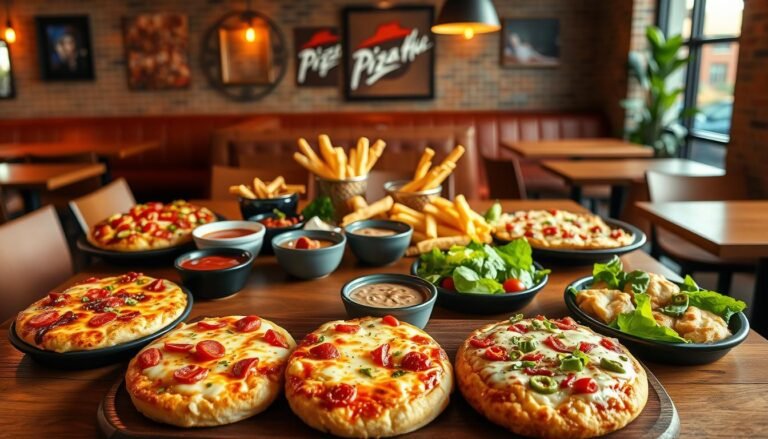
Choosing Healthier Pizza Options: Crust and Size Guide
The key to a healthier pizza lies in its crust and size, factors that significantly impact the overall calorie count. When you’re deciding on a pizza, understanding these elements can help you make a more informed choice that aligns with your dietary goals.
Thin ‘N Crispy Crust: The Lower-Calorie Choice
Opting for a Thin ‘N Crispy crust is a great way to reduce your calorie intake. This crust type is not only crispy but also lower in calories compared to other options. For instance, a Thin ‘N Crispy pizza generally has fewer calories than its Hand-Tossed or Pan Pizza counterparts.
Key benefits of Thin ‘N Crispy crust:
- Lower calorie count
- Crispier texture
- Better for those watching their carb intake
Hand-Tossed vs. Pan Pizza Calories
When comparing Hand-Tossed and Pan Pizzas, the calorie difference is notable. Hand-Tossed pizzas tend to have fewer calories than Pan Pizzas due to the difference in crust thickness and preparation method.
Here’s a rough estimate of the calorie difference:
- Hand-Tossed Pizza: approximately 200-300 calories per slice
- Pan Pizza: approximately 300-400 calories per slice
Personal Pan Pizza for Portion Control
Personal Pan Pizzas are an excellent option for those looking to control their portion sizes. These individual pizzas are designed to satisfy your craving without overindulging.
Calorie Counts by Pizza Size
Understanding the calorie count based on pizza size is crucial. Here’s a general breakdown:
| Size | Approximate Calories |
|---|---|
| Personal Pan | 400-600 calories |
| Medium | 1200-1800 calories (4-6 slices) |
| Large | 2000-3000 calories (6-8 slices) |
When to Choose Medium Over Large
Choosing a medium pizza over a large one can significantly reduce your calorie intake. If you’re dining with a small group or prefer less food, a medium pizza is a sensible choice.
Benefits of choosing a medium pizza:
- Lower overall calorie consumption
- Still allows for sharing or saving leftovers
- More cost-effective than ordering a large
Best Pizza Toppings for Nutrition-Conscious Diners
When it comes to making healthier choices at Pizza Hut, the right toppings can make all the difference. By selecting toppings that are rich in nutrients and low in unhealthy fats and sodium, you can enjoy a satisfying meal that aligns with your health goals.
Veggie Lover’s Pizza: A Nutritional Powerhouse
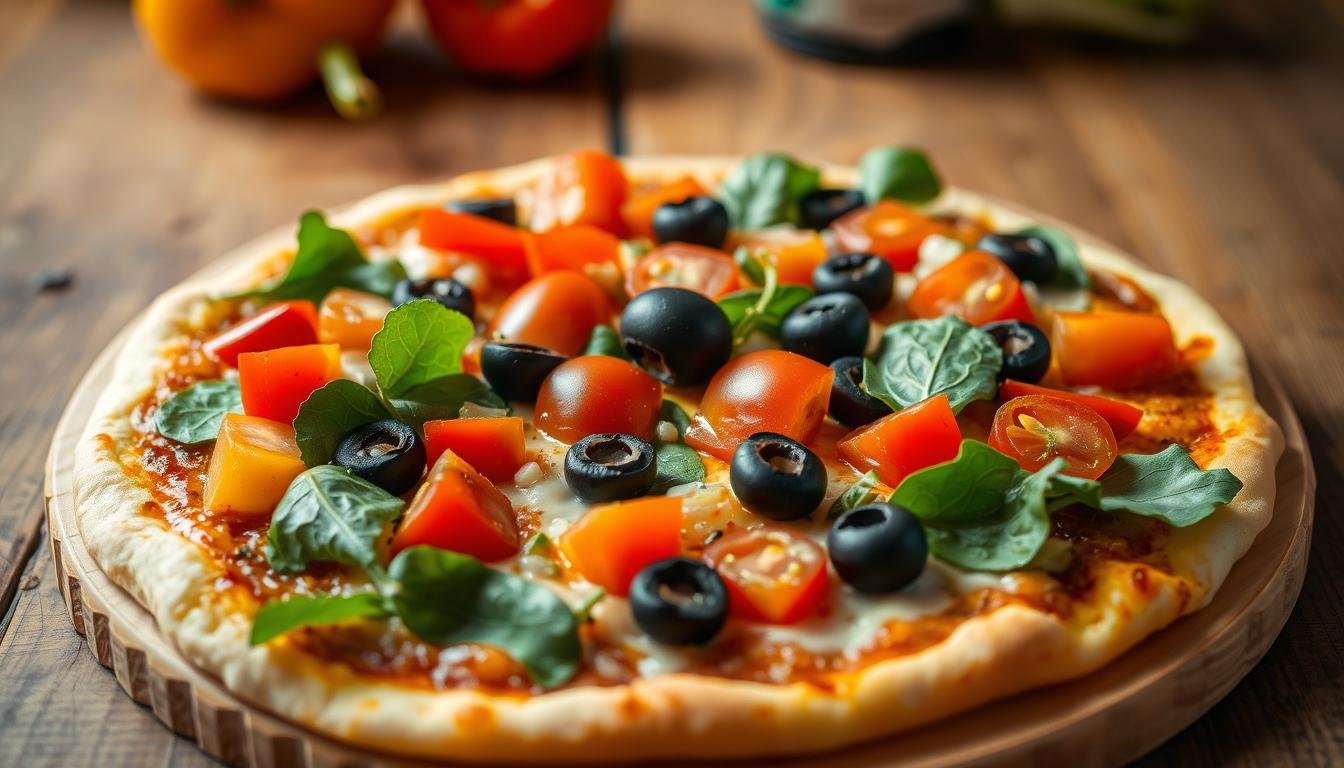
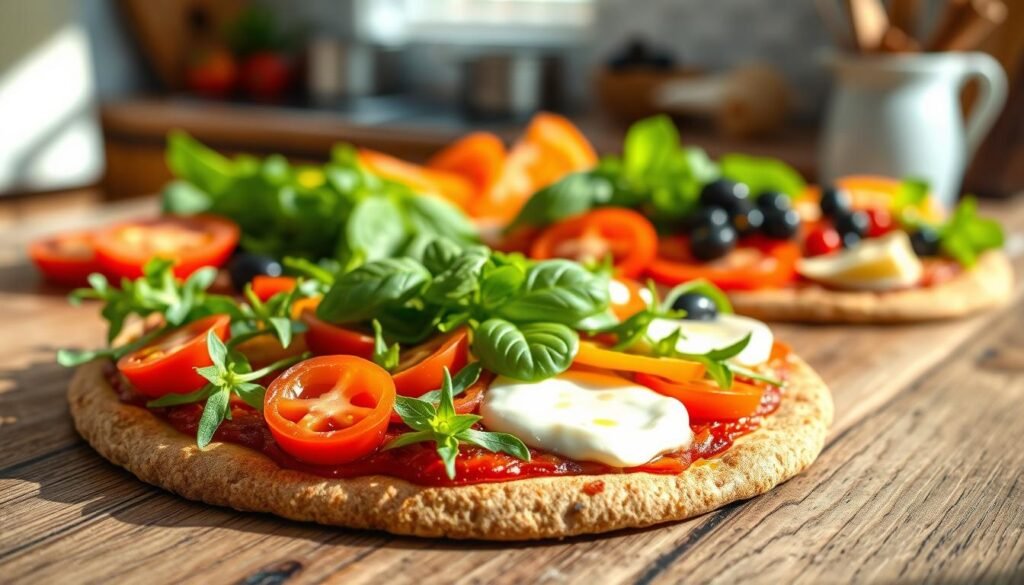
Opting for a Veggie Lover’s Pizza is an excellent way to boost the nutritional value of your meal. Vegetables such as bell peppers, onions, and mushrooms are not only low in calories but also rich in vitamins, minerals, and antioxidants. A Veggie Lover’s Pizza can provide a good mix of fiber, vitamin C, and potassium, making it a nutritious and filling choice.
Lean Protein Toppings to Boost Satiety
Incorporating lean protein into your pizza can enhance satiety and support muscle health. Pizza Hut offers several lean protein options that can be added to your pizza.
Grilled Chicken and Turkey
Grilled chicken and turkey are excellent sources of lean protein. They are lower in fat and calories compared to processed meats, making them a healthier alternative. Adding grilled chicken or turkey to your pizza can increase the protein content, helping you feel fuller for longer.
Ham vs. Pepperoni: Making Better Choices
When it comes to processed meats, some options are healthier than others. Ham is generally considered a better choice than pepperoni due to its lower fat content. However, it’s still important to consume these toppings in moderation due to their high sodium content.
Toppings to Limit for Better Health
While customization is key to a healthier pizza, there are certain toppings that should be limited or avoided due to their high fat, cheese, or sodium content.
High-Fat Meats and Extra Cheese
Toppings like pepperoni and sausage are high in saturated fats, which can increase calorie intake and negatively impact heart health. Similarly, extra cheese can significantly increase the calorie and saturated fat content of your pizza. Limiting these toppings can help maintain a healthier balance.
Sodium-Heavy Options
Some toppings, such as processed meats and certain sauces, are high in sodium. High sodium intake can lead to increased blood pressure and other cardiovascular issues. Being mindful of these toppings and opting for lower-sodium alternatives can help manage your overall sodium intake.
Pizza Hut Appetizers, Wings, and Sides: Calorie Breakdown
Beyond their famous pizzas, Pizza Hut offers a range of appetizers, wings, and sides that vary significantly in calorie count. Understanding the nutritional content of these items can help you make more informed decisions when dining out.
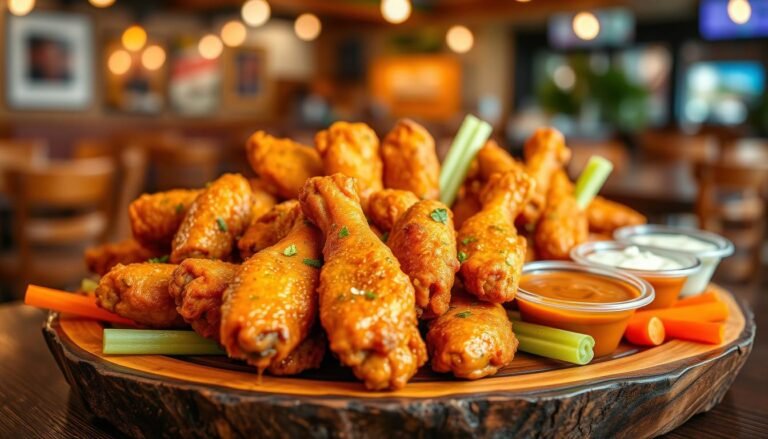
Traditional Wings vs. Boneless Wings Nutrition
When it comes to wings, Pizza Hut offers both traditional and boneless options. The nutritional difference between these two can be significant.
Traditional wings tend to have more calories and fat due to the bone and skin, while boneless wings are typically made from breast meat and may have fewer calories but more protein.
Sauce Selection Impact on Calories
The sauce you choose for your wings can greatly impact the calorie count. For example, BBQ sauce tends to be sweeter and higher in sugar, while buffalo sauce is spicier and can be lower in calories.
Here is a comparison of the calorie counts for different wing sauces at Pizza Hut:
| Sauce Type | Calories per Serving |
|---|---|
| BBQ Sauce | 45 |
| Buffalo Sauce | 0 (virtually calorie-free) |
| Honey BBQ Sauce | 60 |
Dry Rubs as Healthier Alternatives
For those looking for a lower-calorie option, dry rubs can be a healthier alternative to saucy wings. Dry rubs add flavor without the added sugar found in many sauces.
Dry-rubbed wings can be a great option for those watching their calorie intake while still enjoying the flavor of wings.
Breadsticks, Garlic Knots, and Bread Products
Breadsticks and garlic knots are popular sides at Pizza Hut, but they can be high in calories and carbohydrates. A single breadstick can range from 100 to 150 calories, depending on the toppings or dipping sauces used.
Being mindful of portion sizes can help manage calorie intake from these items.
Salad Options and Dressing Choices
For a lighter option, Pizza Hut offers salads that can be a nutritious choice. However, the dressing can greatly impact the calorie count.
Choosing a lighter dressing, such as a vinaigrette, can help keep calories in check. Here’s a comparison:
| Dressing Type | Calories per Serving |
|---|---|
| Ranch Dressing | 170 |
| Italian Dressing | 70 |
| Vinaigrette | 45 |
Pasta, Sandwiches, and Beyond Pizza Menu Analysis
Pizza Hut’s menu extends far beyond pizza, featuring pasta, sandwiches, and more that can be part of a balanced diet. While pizza remains a favorite for many, exploring other menu options can provide a more varied dining experience.
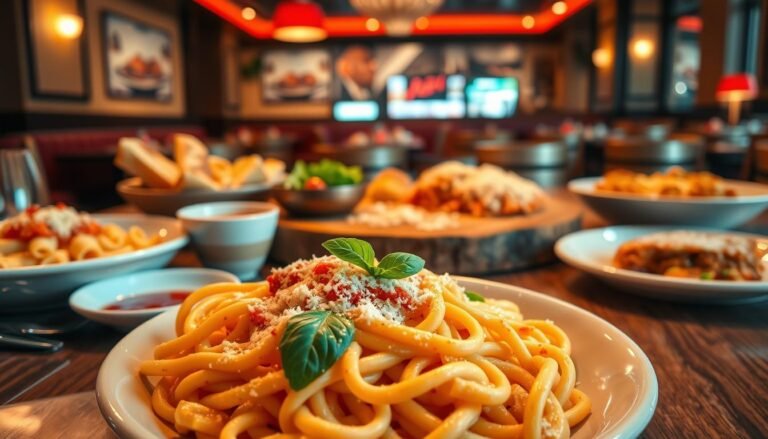
Tuscani Pasta Nutritional Breakdown
Tuscani Pasta is a popular choice among Pizza Hut’s non-pizza offerings. It comes in various flavors, each with its nutritional profile. Understanding the nutritional content can help in making informed choices.
The Tuscani Pasta dishes generally range from 400 to over 1000 calories per serving, depending on the ingredients and portion size. For instance, the Chicken Alfredo Tuscani Pasta is rich in calories and fat due to the creamy Alfredo sauce.
| Tuscani Pasta Variant | Calories | Fat (g) | Sodium (mg) |
|---|---|---|---|
| Chicken Alfredo | 840 | 44 | 2140 |
| Meat Lover’s | 1040 | 56 | 2530 |
| Marinara | 420 | 14 | 1140 |
Sandwich and Melt Options: What to Know
Pizza Hut also offers a variety of sandwiches and melts that can be a satisfying alternative to pizza. These items often feature a mix of meats, cheeses, and vegetables on different types of bread.
When choosing a sandwich or melt, consider the type of protein, cheese, and sauce used, as these can significantly impact the nutritional content. For example, opting for grilled chicken instead of processed meats can be a healthier choice.
Comparing Pasta to Pizza for Healthier Dining
When deciding between pasta and pizza, several factors come into play, including portion size, ingredients, and preparation methods. Generally, a plain pizza with a thin crust can be lower in calories compared to a rich pasta dish loaded with creamy sauces.
However, pasta can be a healthier option if you choose lighter sauces and add plenty of vegetables. It’s essential to review the Pizza Hut nutrition facts for both pasta and pizza to make an informed decision.
Ultimately, both pasta and pizza can be part of a balanced diet when chosen wisely. Being mindful of the ingredients and portion sizes is key to enjoying these meals while maintaining your health goals.
Managing Sodium, Fat, and Calories at Pizza Hut
To enjoy Pizza Hut while keeping your diet on track, understanding the nutritional content is essential. Managing sodium, fat, and calories is crucial when dining at Pizza Hut to ensure that your meal aligns with your health goals.
High-Sodium Menu Items to Watch
Some Pizza Hut menu items are high in sodium, which can be a concern for those monitoring their salt intake. Processed meats like pepperoni and sausage are typically high in sodium. For example, a single serving of pepperoni can contain over 400 mg of sodium.
To manage sodium intake, it’s advisable to opt for pizzas with fewer processed meats and more vegetables. You can also request that your pizza be made with less salt or no added salt when possible.
Strategies to Reduce Saturated Fat Intake
Reducing saturated fat intake is vital for heart health. At Pizza Hut, there are several strategies you can employ to lower your saturated fat consumption.
Requesting Light Cheese
One effective way to reduce saturated fat is by requesting light cheese on your pizza. This simple modification can significantly lower the overall fat content of your meal.
Choosing Tomato-Based Sauces
Opting for tomato-based sauces over creamy sauces is another strategy. Tomato sauces are generally lower in saturated fat and can add flavor without the extra calories.
Balancing Your Daily Caloric Intake
Balancing your daily caloric intake is essential when enjoying a meal at Pizza Hut. Planning your day around your Pizza Hut meal can help you stay on track.
Planning Your Day Around Pizza Hut
If you know you’re going to have a Pizza Hut meal, you can plan your day accordingly by having lighter meals earlier in the day. This helps balance out the calorie intake.
Splitting Meals and Saving Leftovers
Another tip is to consider splitting your meal or saving leftovers for another meal. Pizza Hut portions can be generous, making it easy to split a pizza or save some for later, thus reducing overall calorie consumption.
Special Diets and Dietary Accommodations at Pizza Hut
Pizza Hut is committed to providing a variety of menu options that accommodate different dietary needs and preferences. Whether you’re gluten-intolerant, a vegetarian, or following a low-carb diet, Pizza Hut has options to suit your requirements.
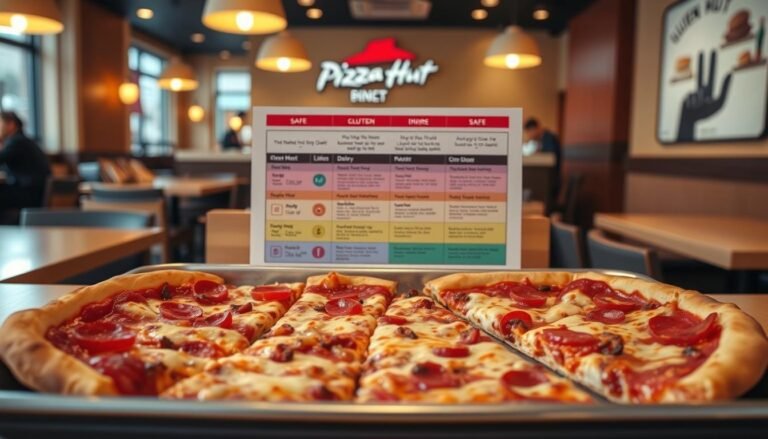
Gluten-Free Crust: Nutrition and Considerations
Pizza Hut offers a gluten-free crust option for customers with gluten intolerance or sensitivity. This crust is made from a blend of rice flour, potato starch, and tapioca flour. While it’s a great alternative for those who need to avoid gluten, it’s essential to note that cross-contamination can occur in the kitchen.
Nutritional Comparison: The gluten-free crust has a slightly different nutritional profile compared to the traditional crust. It’s crucial to check the nutrition facts to make an informed decision.
Vegetarian and Vegan Pizza Hut Healthy Choices
Pizza Hut caters to vegetarians with a variety of vegetable toppings and cheese options. For vegans, while the menu is more limited, customers can customize their pizzas with vegan cheese and load up on vegetables.
Vegan Options: Some locations offer vegan cheese, making it possible to enjoy a vegan pizza. It’s recommended to check with your local Pizza Hut for availability.
| Veggie Toppings | Calories | Fat (g) |
|---|---|---|
| Mushrooms | 15 | 0.5 |
| Onions | 45 | 0.1 |
| Bell Peppers | 60 | 0.2 |
Low-Carb and Keto-Friendly Modifications
For those following a low-carb or keto diet, Pizza Hut allows for modifications to make your meal more suitable. Two strategies for low-carb dining include skipping the crust and focusing on protein and vegetables.
Skipping the Crust Strategy
By ordering a pizza without the crust, you can significantly reduce the carb content. This approach turns your pizza into a salad of sorts, loaded with toppings.
Focusing on Protein and Vegetables
Loading up on protein sources like chicken and vegetables can make your Pizza Hut meal more keto-friendly. Be mindful of the sauces and cheeses, as they can add carbs.
Allergy Information and Cross-Contamination Awareness
Pizza Hut takes allergens seriously and provides information on common allergens like gluten, dairy, and nuts. However, due to the preparation environment, there’s a risk of cross-contamination.
Customer Responsibility: It’s crucial for customers with severe allergies to inform the staff to take necessary precautions.
Practical Tips for Building a Balanced Pizza Hut Meal
Making healthier choices at Pizza Hut is all about being mindful of your options. By understanding the nutritional content of their menu items and making a few strategic decisions, you can enjoy a satisfying meal that aligns with your health goals.
Customizing Your Order for Maximum Nutrition
One of the easiest ways to make your Pizza Hut meal healthier is by customizing your order. This can involve several simple modifications that significantly impact the nutritional value of your meal.
Adding Extra Vegetables
Adding extra vegetables is a great way to boost the nutritional content of your pizza. Vegetables like bell peppers, onions, and mushrooms not only add flavor but also provide essential vitamins and minerals. Consider loading up on these toppings to make your pizza more nutritious.
Requesting Lighter Sauce and Cheese
Another way to customize your pizza is by requesting lighter sauce and cheese. Opting for a lighter layer of sauce and cheese can reduce the calorie and fat content of your pizza. Pizza Hut allows you to make such modifications, so don’t hesitate to ask for a lighter hand on these ingredients.
Pairing Your Pizza with Smarter Sides
The sides you choose can greatly impact the overall nutritional value of your meal. Instead of opting for high-calorie breadsticks or wings, consider pairing your pizza with a side salad or a vegetable-based appetizer.
Beverage Choices That Support Your Wellness
What you drink with your meal is just as important as what you eat. Making the right beverage choice can help support your overall wellness goals.
Choosing Water Over Soda
Choosing water over soda is a simple yet effective way to reduce your calorie intake. Water is calorie-free and helps with hydration, making it an ideal choice to accompany your meal.
Unsweetened Tea Options
If you prefer a flavored drink, consider opting for unsweetened tea. Unsweetened tea offers the flavor you enjoy without the added sugars found in many other beverages.
Mindful Eating Practices at Pizza Hut
Practicing mindful eating can enhance your dining experience and help you make healthier choices. This involves paying attention to your hunger and fullness cues, eating slowly, and savoring your food.
By implementing these strategies, you can enjoy a balanced and satisfying meal at Pizza Hut that supports your health and wellness goals.
Conclusion
Navigating Pizza Hut’s menu with a focus on nutrition can be straightforward when armed with the right information. By understanding the nutritional content of Pizza Hut’s offerings, diners can make informed choices that align with their health goals.
The Pizza Hut nutrition guide provides a wealth of information, from calorie counts to detailed nutritional breakdowns. This transparency empowers customers to select healthier options, such as thinner crusts and veggie-rich toppings, and to balance their meals with smarter side choices.
By applying the insights gained from Pizza Hut’s menu nutrition information, customers can enjoy their favorite pizzas and other menu items while maintaining a balanced diet. Whether opting for a Personal Pan Pizza or customizing a larger pie, the key is mindful eating and informed decision-making.
With Pizza Hut Menu Nutrition as a guide, customers can savor their dining experience, confident in their ability to make choices that support their overall wellness.
## FAQ
### Q: Where can I find the most up-to-date Pizza Hut nutrition facts for my favorite meals?
A: You can easily access the complete Pizza Hut nutrition guide directly on the official Pizza Hut website or by using the Pizza Hut mobile app. Both platforms provide comprehensive Pizza Hut food information, including a detailed breakdown of Pizza Hut calories, sodium levels, and macronutrients for every item on the menu.
### Q: Which crust is the best option for someone looking for Pizza Hut healthy choices?
A: If you are looking to lower your caloric intake, the Thin ‘N Crispy crust is your best bet. According to our Pizza Hut menu analysis, this crust is significantly lower in calories and carbohydrates compared to the Original Pan or Hand-Tossed options, allowing you to enjoy your pizza while staying aligned with your health goals.
### Q: Are there Pizza Hut menu options suitable for vegetarians or vegans?
A: Yes! Pizza Hut is quite flexible with dietary information. Vegetarians can enjoy the Veggie Lover’s Pizza, while vegans can customize a pizza by opting for the Thin ‘N Crispy crust (in most locations), selecting a tomato-based sauce, and loading up on fresh vegetable toppings while omitting the cheese.
### Q: How can I manage the amount of sodium and fat in my Pizza Hut Menu Nutrition plan?
A: To reduce sodium and saturated fat, consider requesting light cheese and choosing lean protein toppings like Grilled Chicken or ham instead of high-fat meats like pepperoni or Italian sausage. Additionally, opting for a veggie-heavy pizza naturally boosts the nutritional content while keeping you full with fiber.
### Q: Does Pizza Hut offer any gluten-free options for diners with sensitivities?
A: Pizza Hut offers a Udi’s Gluten-Free crust at many participating locations. It is important to review the Pizza Hut dietary information regarding cross-contamination if you have a severe allergy, but this crust is a fantastic alternative for those looking to avoid gluten while still enjoying a classic pizza night.
### Q: Is the Personal Pan Pizza a good choice for portion control?
A: Absolutely. The Personal Pan Pizza is an excellent tool for managing Pizza Hut calories. Because it is individually sized, it helps prevent the overindulgence that often comes with ordering a large pizza, making it much easier to balance your daily caloric intake.
### Q: How do the Traditional Wings compare to Boneless Wings in terms of nutrition?
A: When looking at Pizza Hut nutritional content, Traditional Wings are generally lower in carbohydrates because they lack the breading found on Boneless Wings. To keep them even healthier, choose a dry rub like Lemon Pepper instead of sugary BBQ or buffalo sauces to keep the calorie count to a minimum.
### Q: What are some tips for building a more balanced meal at Pizza Hut?
A: For maximum nutrition, try the “half and half” strategy: fill half your plate with a garden salad (using a light dressing) and the other half with a couple of slices of Thin ‘N Crispy pizza. Also, swapping your soda for water or unsweetened tea is one of the simplest Pizza Hut healthy choices you can make to significantly reduce empty calories.